
#IamtheONE
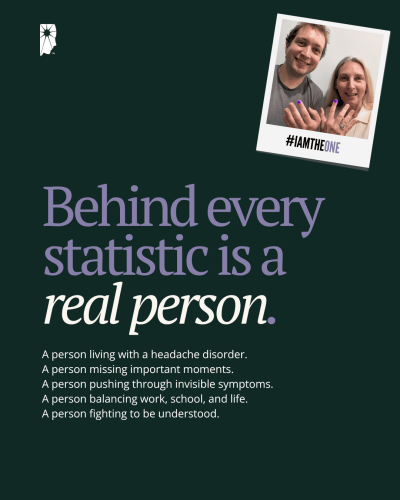
Behind every statistic is a real person.
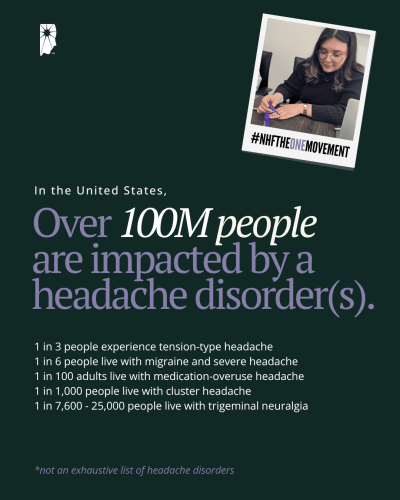
In the U.S., over 100 million people are impacted by headache disorders, including migraine1. Some conditions affect millions of people. Others are rare. But every number represents a person, a family, a story, and a life impacted.
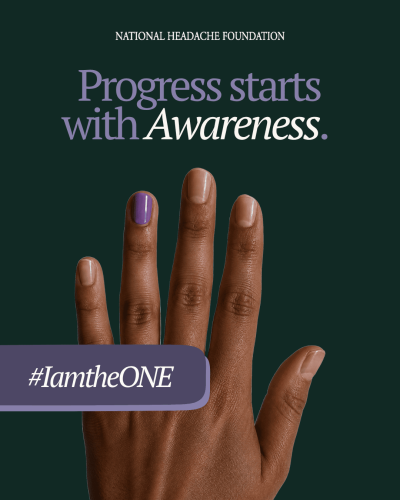
During Migraine & Headache Awareness Month in June, we’re painting one fingernail purple to show that behind every diagnosis and every statistic is someone who deserves to be seen, believed, and understood.
I am the One
1 in 3 adults experience tension-type headache2
1 in 6 adults live with migraine and severe headache3
1 in 100 adults live with medication-overuse headache4
1 in 1,000 people live with cluster headache5
1 in 7,600 – 25,000 adults live with trigeminal neuralgia6
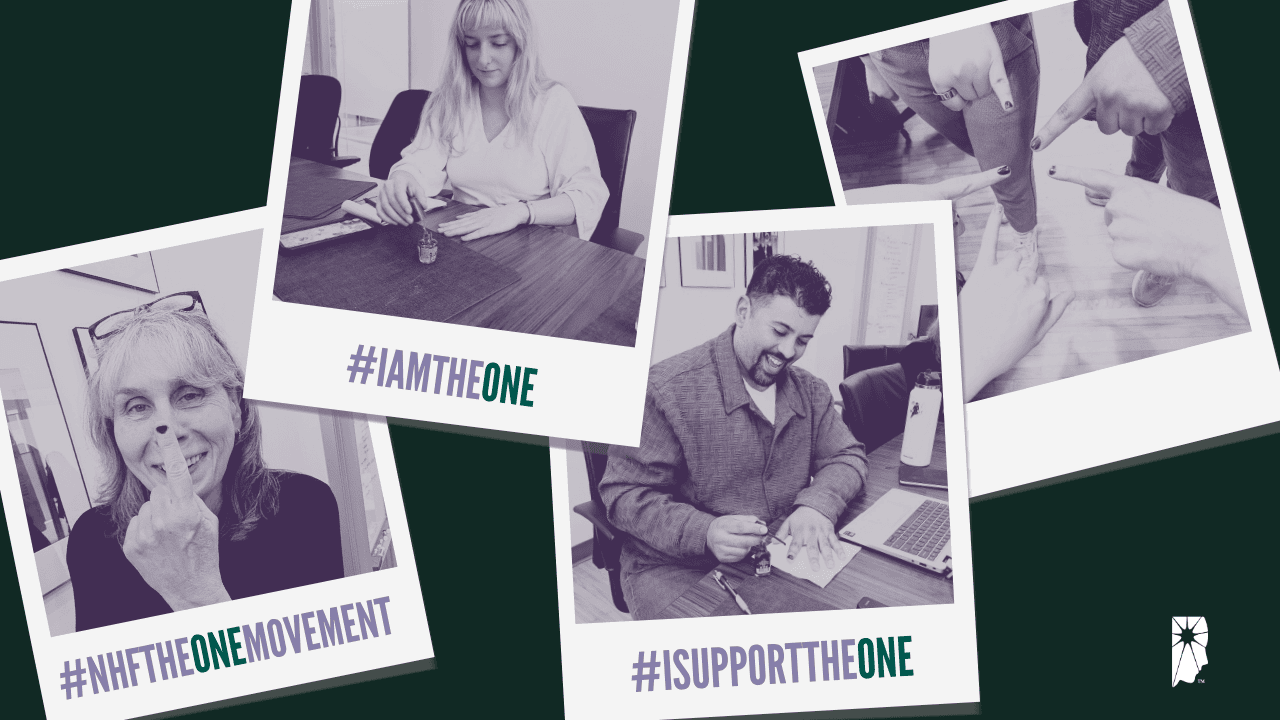
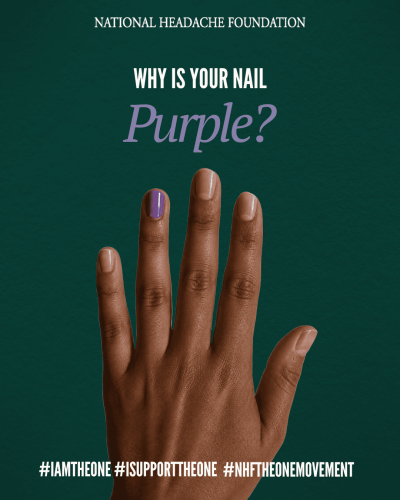
Why is your nail purple?
The purple nail is a simple conversation starter. When someone asks, “Why is your nail purple?” you have an opportunity to help others understand the impact of headache disorders and the people who live with them every day.
Headache disorders are often invisible. Many people living with these conditions feel misunderstood, dismissed, or unsupported because others cannot see what they are experiencing.
Awareness can start with a single question.
Join the Movement
Give us a hand… or a finger
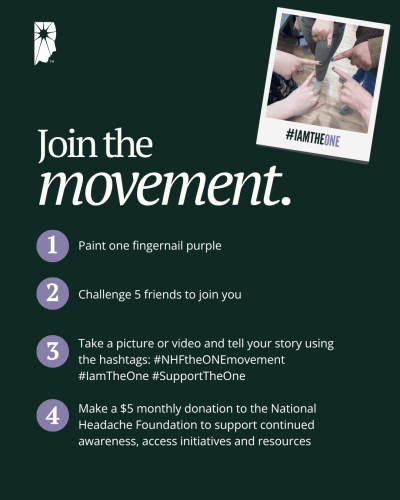
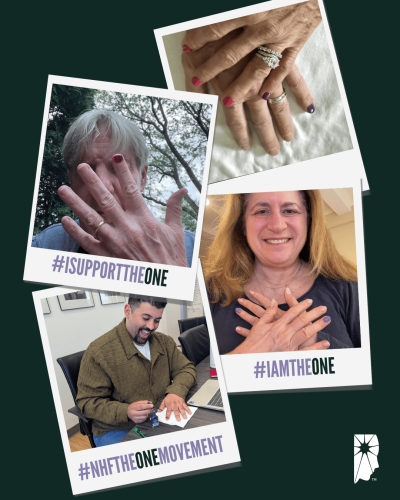
Paint one fingernail purple
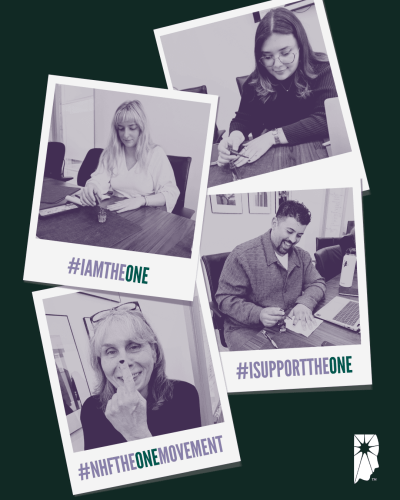
- Take a picture or video and tell your story using the hashtags: #NHFtheONEmovement #IamTheOne #SupportTheOne
- Challenge 5 friends to join you
Make a $5 monthly donation to the National Headache Foundation to support continued awareness, access initiatives and resources.
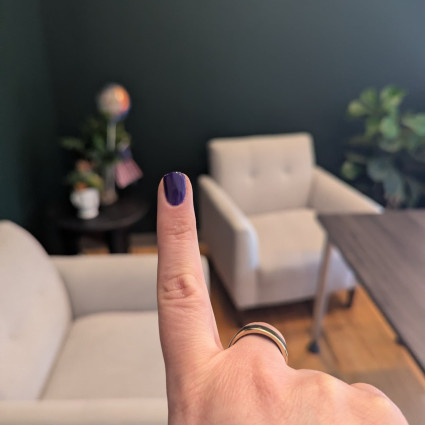
Share Your Story
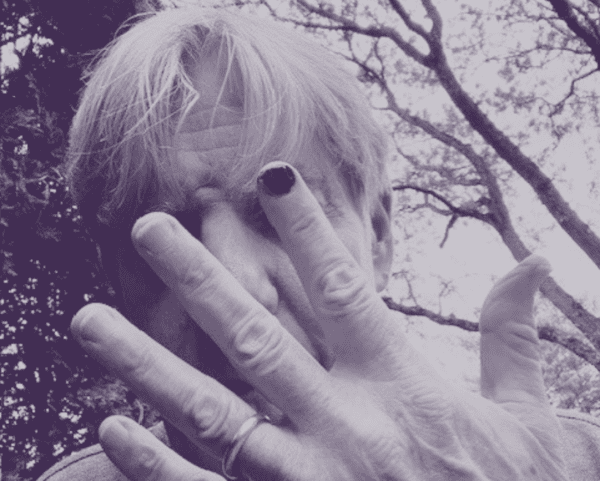
#IAmTheOne
Use #IAmTheOne if you live with a headache disorder.
Examples:
“I’m the one missing important moments because of migraine.”
“I’m the one in 1,000 living with cluster headache.”
“I’m the one who pushes through invisible symptoms.”
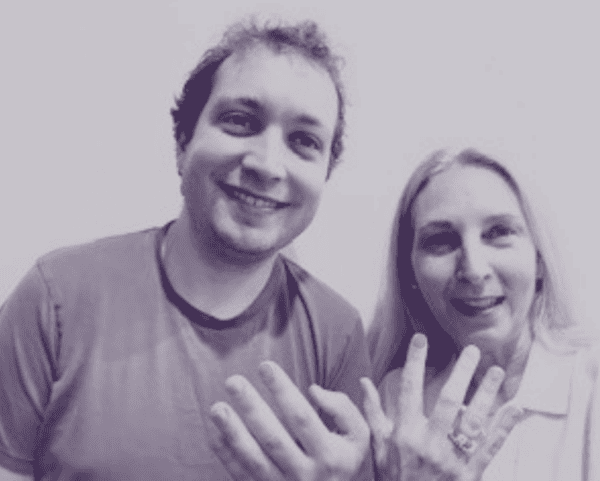
#ISupportTheOne
Use #ISupportTheOne if you support someone living with a headache disorder.
Examples:
“I support my daughter who is the strongest person I know.”
“I support my sister who deserves to be believed by her doctors.”
“I support my friend whose story matters.”
Learn More
Purple is the color of headache and migraine awareness. It represents strength, resilience, and hope. This June, we’re using purple to spark conversations, one (small!) action at a time.
If someone asks about your purple nail, keep it simple.
- Share the facts (like 1 in 5 women live with migraine and severe headache)
- Explain why it matters (many people struggle to get care and support)
- Let them know how they can help (paint a nail, share, or learn more at headaches.org)
- Explore resources on NHF website
You don’t have to say everything, just be the one that starts the conversation. One nail. One question. One story. One conversation. Turn awareness into action, be the reason someone finds support and care.
Take the ID Migraine™ Self-Screener:
In the last 3 months, with your headaches, have you:
- Had a headache that limited your activities for a day or more?
- Felt nauseated or sick to your stomach with a headache?
- Does light bother you when you have a headache?
Answering “yes” to two out of three of these questions means there’s a 93% chance you have migraine.
Answering “yes” to all three means there’s at least a 98% chance you have migraine.
Follow up with a healthcare provider to discuss your symptoms.
At the National Headache Foundation (NHF), we’re helping people take the next step. Our programs connect people to education, support, and care:
- Patients → Education, a provider finder, headache diary tools, newsletters, podcasts, and real stories to help you navigate life with a headache disorder
- Veterans → The Mission Ready Navigation Guide on Operation Brainstorm, plus podcasts, resources, and stories so you know you’re not alone
- Students → Video series, tips, and resources to help manage migraine in school
- Employers → Video series guidance for creating more inclusive workplaces and supporting employees living with migraine
- Providers → CME and non-CME education, plus AQH certification to expand expertise in headache care
1. Martin, V. T., Feoktistov, A., & Solomon, G. D. (2021). A rational approach to migraine diagnosis and management in primary care. Annals of Medicine, 53(1), 1969–1980. https://doi.org/10.1080/07853890.2021.1995626
2. Ney, J. P., Steinmetz, J. D., Anderson-Benge, E., et al. (2026). US burden of disorders affecting the nervous system: From the Global Burden of Disease 2021 study. JAMA Neurology, 83(1), 20–34. https://doi.org/10.1001/jamaneurol.2025.4470
3. Cohen, F., Brooks, C. V., Sun, D., Buse, D. C., Reed, M. L., Fanning, K. M., & Lipton, R. B. (2024). Prevalence and burden of migraine in the United States: A systematic review. Headache, 64(5), 516–532. https://doi.org/10.1111/head.14709
4. Alstadhaug, K. B., Ofte, H. K., & Kristoffersen, E. S. (2017). Preventing and treating medication overuse headache. Pain Reports, 2(4), e612. https://doi.org/10.1097/PR9.0000000000000612
5. Kandel, S. A., & Mandiga, P. (2023, July 4). Cluster headache. In StatPearls. StatPearls Publishing. Retrieved June 3, 2026, from https://www.ncbi.nlm.nih.gov/books/NBK544241/
6. Shankar Kikkeri, N., & Nagalli, S. (2024). Trigeminal neuralgia. In StatPearls. StatPearls Publishing. Retrieved June 3, 2026, from https://www.ncbi.nlm.nih.gov/books/NBK554486/
Note: Findings may underestimate the true prevalence due to stigma, underdiagnosis, misdiagnosis, and differences in diagnosis and access to care.