
STRENGTH IN EVERY STORY™
Nate’s Story, October 2024
As told by: Fabiola Palomo
Diagnosis received: Chronic migraine
Symptoms: Dizziness, Fatigue, Nausea, Head pain, Tunnel vision, Brain Fog (during postdrome stage), Aphasia
Nate first experienced the unbearable pain of episodic migraine at only ten years old, starting with attacks once a month. At the age of 12, Nate had a concussion, a type of traumatic brain injury (mTBI), and speculated that he became chronic since that injury, and was now experiencing two to three migraine attacks a week. With this frequency, the severity of his condition impacted Nate’s academic performance, as he missed a total of 70 to 80 days of school per year.
Since middle school, and now as a college student in Michigan, Nate has come to recognize, having experienced it himself, the impact stigma has on migraine and advocates for the importance of establishing a clear understanding of headache and migraine disease, especially when found in children, adolescents, and young adults.
The Fight for Migraine Accommodations
Despite Nate obtaining some accommodations and meeting with educators to discuss his 504 Plan, a formal legal document that provides support for students with a disability, he reveals the process was not as successful as he had hoped for, “My teachers were always very sympathetic… maybe one or two out [of] the 40 that I had, really followed my 504 and made an effort to do that and sometimes it didn’t even really feel like they read it.”
It was Nate’s high school world history teacher who made all the difference in understanding his circumstances, “She was really, really, really good about reaching out to me beforehand… She was big on modifying stuff, and it just felt like she understood that this wasn’t my fault. I still had a lot of passion for her class…even if she modified it and had [given me] two extra days on an assignment, I’m still doing the same amount of work as everyone else. She’s just making it equitable to me,” he said.
To Nate, voicing his concerns and ensuring there weren’t any barriers to his learning was vital.
“A lot of it was just trying to build relationships with my teachers and have them understand that this is incredibly stigmatized, that this is a real disease, and I’m really doing the best that I can.”
However, in obtaining accommodations, Nate’s high school’s faculty and administrators did very little to help Nate when he asked to follow up with his teachers about his 504 plan. Nate’s learning consultant had told him he was out of luck and was unable to inform his teachers about the accommodations needed.
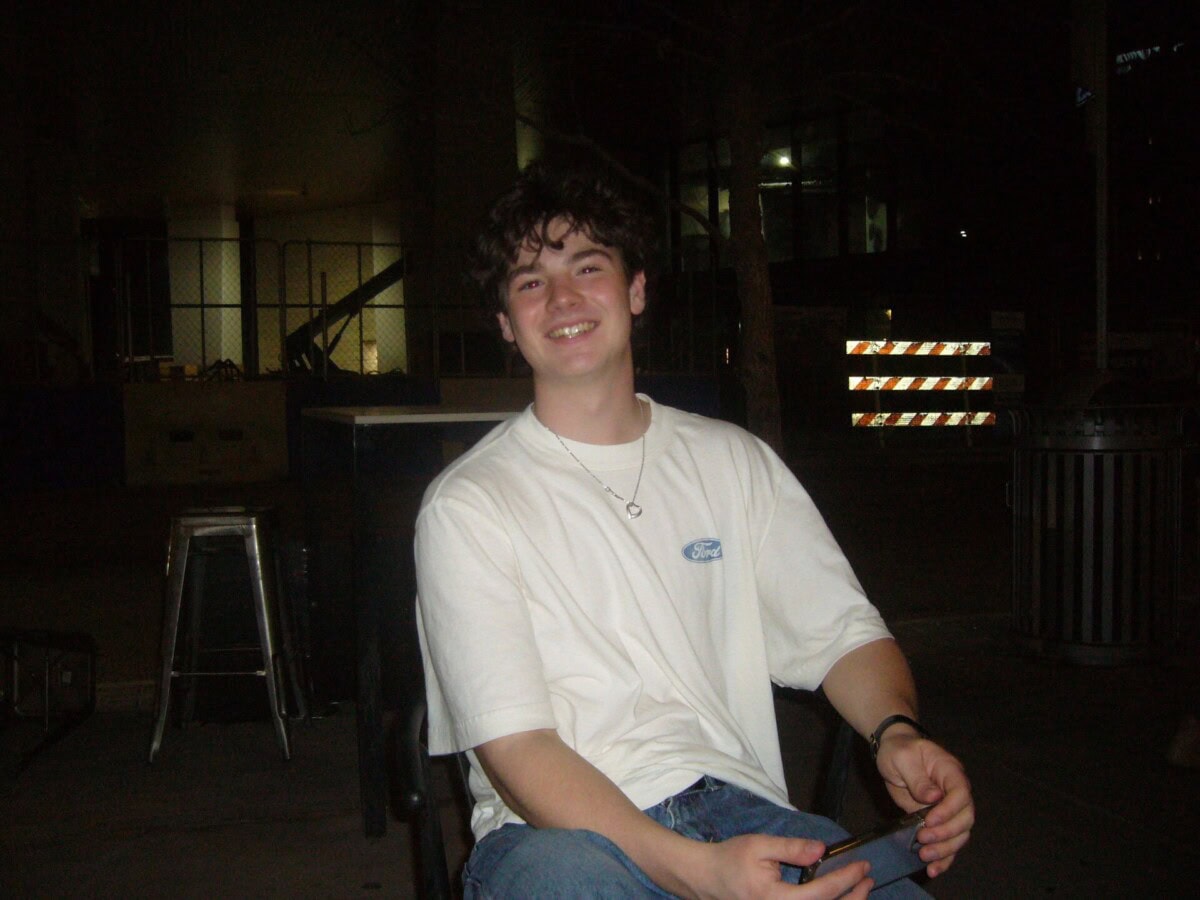
“That was unfortunate because we kind of had this perception that we were going to turn a new leaf in high school…For the next four years, we couldn’t really rely on her, and it was more so me learning how to advocate for myself, and my parents helping me through that, rather than the channels going through the school,” Nate shared.
Learning to Be Vulnerable
Along with having Nate’s accommodations unmet in school, he also found it difficult to be vocal about living with migraine with those around him, “There’s a lot of times where I felt like I had to kind of diminish that or downplay it or maybe make a joke about it in order to feel more accepted, which isn’t the way it should be, but it’s what ended up happening,” said Nate. “It’s really hard to be vulnerable. While this is a huge part of my life, I feel the need to downplay it, because I don’t want to get looked at the wrong way.”
Common patterns persist with people showing a lack of understanding and helping Nate manage his pain or prevent attacks from occurring, “With adults, the biggest thing is that they’re often really empathetic… but beyond the empathy, I think it doesn’t always result in action. There’s almost a disconnect where they will say, ‘If there’s anything I need to do, please tell me.’ But also, they don’t always make it a space… where I feel comfortable with telling them, or… if I do tell them, they don’t do something about it,” shared Nate.
Facing a Turning Point in College
Along with familiarizing himself with the difference between high school and college accommodations, Nate had to take matters into his own hands by registering at his college’s disability services office, scheduling visits with his primary care physician, managing health insurance plans, and self-advocating at the doctor’s office; actions his parents had completely managed before he started attending college.
“Once I turned 18, I’ve had to navigate… insurance and stuff like that because I am more autonomous. We switched our health plan, so I started making doctors’ appointments by myself, waking myself up… that was difficult because I really relied on them to help with that. I think it’s tough to navigate when to be pushed and when to let yourself take a little bit of time,” said Nate.
Even before graduating high school, Nate reached out to various disability services offices when looking into universities. It was then, when Nate learned that 504 plans no longer applied to college, “I’ve heard a lot of times that you’re not entitled to anything,” and laments the reality of not having the same, if not similar types of support and services given to him as a high school student.

“It would be really cool if all my professors recorded lectures and were generous with due dates… but they’re not.”
Now, as a college student, Nate had been fortunate enough to work closely with the university in making sure he obtains reasonable accommodations, “My disability services coordinator, she’s really good and follows up. She’s very proactive with me,” said Nate.
In contrast to his learning consultant in high school, Nate’s disability services coordinator is conscious of the inefficient approach colleges make when providing accommodations for students with disabilities. With Nate sharing her eagerness to go above and beyond for him to be successful in school, Nate shared, “She has been like, ‘If I could change it, I would. But the fact of the matter is you will have some professors who won’t be able to or won’t want to accommodate in the ways that you need.’”
Educating Others About Headache and Migraine Disease

Although it is still both a learning process and a work in progress for him, Nate recommends young adults, and anyone living with headache and migraine disease, to voice their care and needs no matter the outcome, “Being direct with what I’m looking for is a big thing… It’s very helpful to build relationships and go the extra mile, be proactive… Something I should be working on too is knowing exactly what you want or what you need with your accommodations and being straightforward with that.”
"*" indicates required fields