
STRENGTH IN EVERY STORY™
Christy’s Story, February 2025
As told by: Sophia Ibrahim
Diagnosis received: Migraine
Symptoms: Headache pain, sensitivity to light, sensitivity to sound, nausea, vomiting, dizziness, vertigo, fatigue, brain fog, mood changes
Christy vividly recalls her first migraine attack. She had just returned from a clinic visit for a pulled back muscle, managing her three young children—then ages 7, 5, and 8 months. She had promised her kids that after the appointment, they would visit their grandparents.
After waiting nearly an hour in the doctor’s office with restless kids, a faint headache began to set in. At the time, it seemed minor—just the beginning of what she thought was a small headache.
The First Attack
By the time she finished her appointment, picked up her prescription, and made the twenty-minute drive to her parents’ house, the pain had grown worse. Hoping for relief, she took one of her pain pills and laid down on the couch.

“With the kids and TV and all [the noise] in the background, it was just making it worse, so I asked my mom would it be ok if I went and laid in their bed where it was quiet because I was hurting bad,” shared Christy.
It wasn’t long before the nausea began. “I got up and went to the bathroom and started throwing up… [which] made it twenty times worse. It hurt so bad, and I was so nauseous… [when] I threw up, it just made my head feel like it was gonna explode. I was crying, I’ll never forget it.”
She felt so sick that her husband had to come after work to pick her up and drive the family home.
A Family Connection
Christy was no stranger to headache disorders. “I’ve dealt with them growing up with my dad. He was diagnosed with not only migraines but also cluster headaches. I can remember having to take him to the ER and having to stop a couple times on our way there for him to throw up on the side of the road.”
Her father received injections to ease the pain, which once terrified her. “They used to give him shots in the back of his head for it. I was like, ‘No way.’ He said, ‘Baby, when you hurt like I do, you would welcome it,’ now I understand what he meant,” acknowledged Christy.
So, when a doctor diagnosed her with migraine disease, it wasn’t a shock. She had a good feeling it was migraine disease because of her family history and the frequency she was having the attacks.
Life Interrupted
Christy now experiences migraine attacks, which occur three times per month, and each attack lasts between 10 to 14 hours. Approximately two of those days, it is so severe that she misses daily activities like work, school, or family functions.

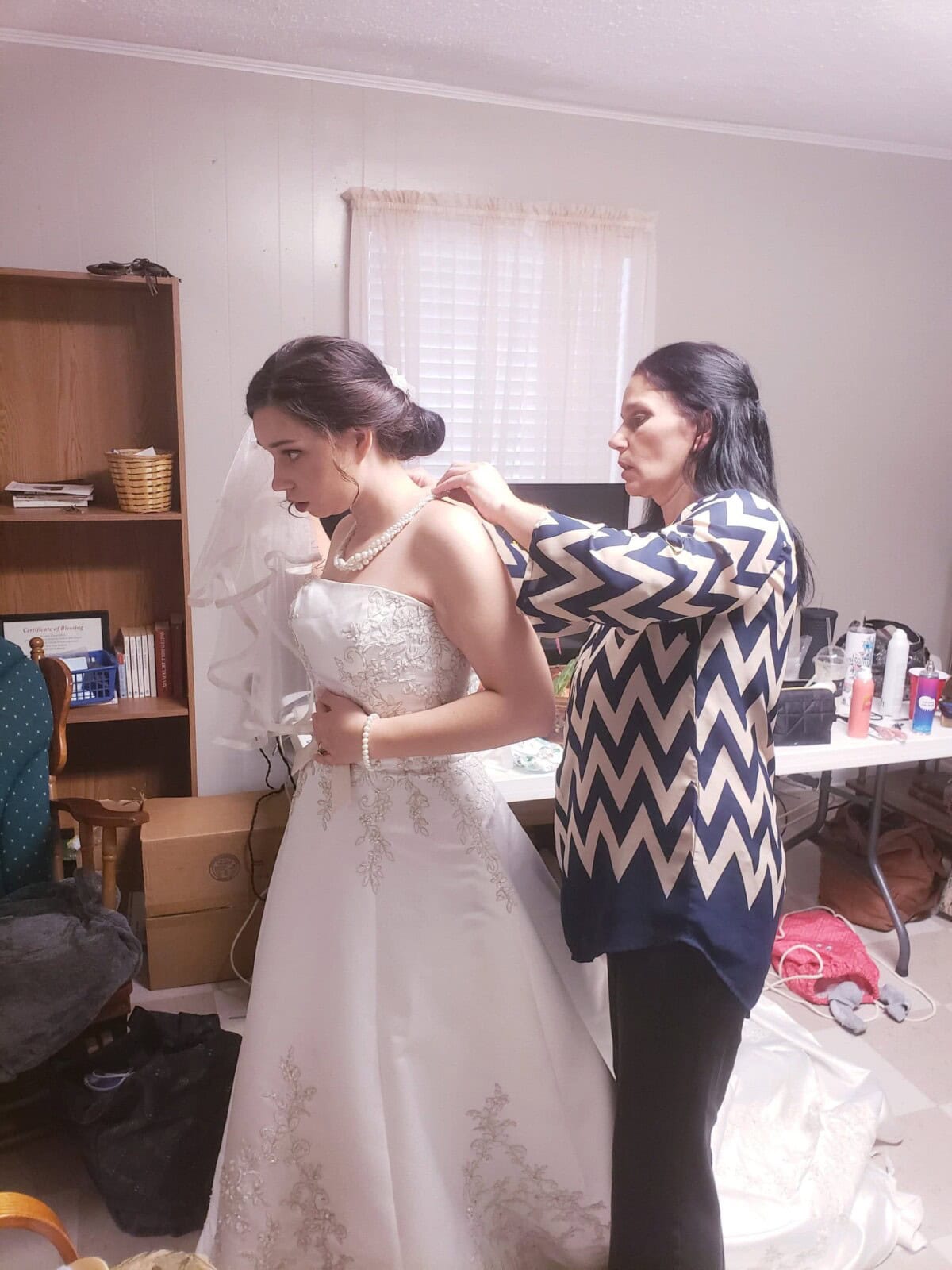
One of her hardest memories was missing her daughter’s graduation. “Missing my daughter’s graduation due to a migraine was incredibly disheartening. As the day approached, I was filled with excitement and pride, eager to celebrate such a significant milestone in her life. However, as the symptoms began to manifest [into an] intense headache, [with] overwhelming sensitivity to light and sound, and debilitating nausea, I realized I wouldn’t be able to participate as I had hoped,” said Christy.
“Forced to seek refuge in a quieter, darker space, I felt isolated from the celebration and my family. The physical pain was tough, but the emotional pain of missing those once-in-a-lifetime moments of joy and achievement was even harder.”
To Christy, it was a stark reminder of how migraine disease can not only disrupt one’s daily life but also ‘rob’ people of cherished memories.
Coping and Support
Christy takes preventive medication, but unfortunately, there is little benefit. Her triggers include certain foods, stress, sensory stimuli, weather changes, and physical factors.

What makes a difference, she said, is support. “Recognizing that migraines are a legitimate medical condition that requires understanding,” helps her feel less alone when plans must change. Practical help matters, too. “Offering to take over some responsibilities, like childcare, household chores, or work assignments, during or after an attack, can be immensely helpful.”
Creating the right environment eases the pain, like reducing noise, dimming lights, and helping create a quiet, dark space, so a person experiencing an attack can rest.
She offers advice for those wanting to support someone through a migraine attack: “Educate yourself. Learn about migraines, their triggers, symptoms, and treatments. Communication is key.”
“Directly ask how you can best support them, as needs can vary widely. Sometimes, the person may not ask for help even when they need it. Offering help proactively can be very beneficial,” shared Christy.
"*" indicates required fields